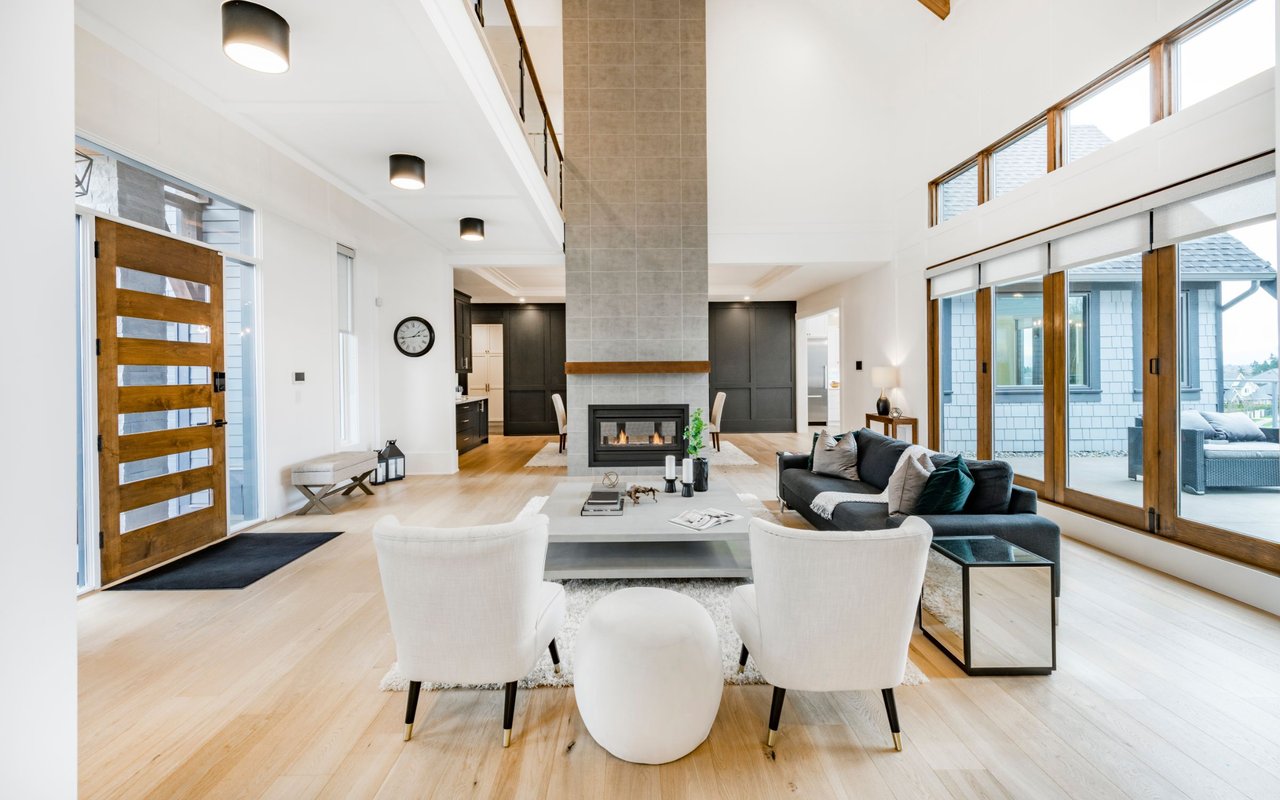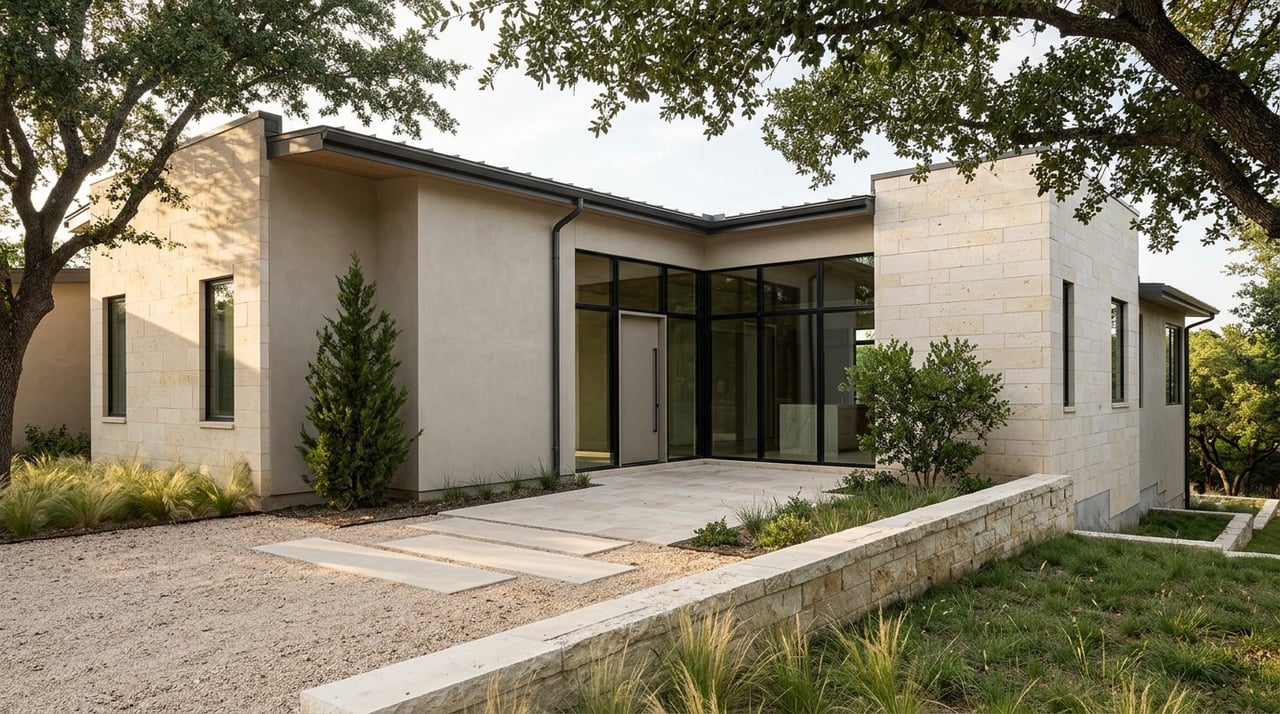
Dreaming about a sleek Hill Country home in Spicewood? The vision is exciting, but the real success of a modern retreat usually starts long before floor plans, finish selections, or pool concepts. If you want a home that feels private, comfortable, and well-matched to the land, the smartest move is understanding the site first. Let’s dive in.
Why Spicewood Fits a Modern Retreat
Spicewood offers something many buyers want but not every location can deliver: a Hill Country setting with a strong connection to the outdoors and close proximity to Lake Travis. Pace Bend Park, the largest lake park in Travis County, sits just off Highway 71 in Spicewood, which helps define the area’s retreat-like appeal.
What makes Spicewood especially attractive for custom homes is also what makes it more complex. In unincorporated Travis County, development can involve county review, and some western Travis County parcels near Lake Travis may also fall under the LCRA Highland Lakes Watershed Ordinance. That means the land can be incredibly compelling, but it also needs careful planning.
In practical terms, Spicewood is often less about starting with the house and more about starting with the lot. A beautiful design works best when the parcel can support privacy, access, drainage, and a realistic building envelope without creating avoidable site challenges.
Start With the Lot
For a modern Hill Country retreat, lot selection usually shapes everything that follows. Before you focus on square footage or exterior style, it helps to ask a simpler question: can this site support the home you actually want to build?
In Spicewood, that answer depends on more than appearances. A dramatic ridge line or large acreage may look ideal at first glance, but a cleaner, more manageable site can often lead to a smoother and more cost-effective build.
Look for Buildable Terrain
Travis County treats driveways, grading, excavation, and land division as development activity. County environmental review gives special attention to land disturbance on slopes of 10% or greater, along with cut or fill over four feet.
That is why some of the best homesites are not the steepest or most dramatic. A parcel with gently sloped land, a practical driveway path, and enough room for the house pad can be more valuable than a lot that demands major earthwork.
Check Access Early
A site can look peaceful and private while still being difficult to access. In a custom-build setting, legal access and a workable driveway route matter from day one because they affect both design flexibility and development costs.
When you evaluate a parcel, it helps to think about how you will arrive at the house in real life. Long or steep access points may change how the home is sited and how much disturbance is needed to make the lot functional.
Understand Floodplain and Drainage
Floodplain and drainage should be part of the earliest review, not an afterthought. Travis County notes that its floodplain jurisdiction applies in unincorporated areas outside city limits, and the county also points out that the region is both fast-growing and prone to flood damage.
That makes it important to study flood maps, low areas, creek relationships, and runoff patterns before you move forward. In Spicewood, a strong homesite is not just scenic. It also needs a house pad that works safely with the land’s drainage patterns.
Plan for Water and Wastewater
One of the biggest differences between buying land and buying an existing home is that utility feasibility can shape the entire project. In Spicewood, water and septic planning should be treated as core due diligence.
In Texas, septic systems require a permit and an approved plan, and local permitting authorities may be more stringent than state minimums. That means wastewater planning is not something to solve later after you fall in love with a lot.
Wells and Groundwater Matter
In Travis County, subdivisions using groundwater must show adequate supply through aquifer testing and groundwater availability certification. The county also requires lots served by individual wells to be at least five acres.
For buyers considering raw land, that changes the conversation quickly. If a parcel depends on an individual well or other site-specific water solution, you want to understand that feasibility early, before design expectations get too far ahead of site realities.
Septic Layout Affects Design
A modern retreat often emphasizes clean architecture, outdoor living, and strong indoor-outdoor flow. But on raw land, the layout also needs to leave room for septic planning, driveway placement, drainage, and setbacks tied to the site.
That is one reason the lot tends to matter more than the floor plan at the beginning. The most successful projects are the ones where the home’s design responds to the site instead of fighting it.
Know the Watershed Rules
Some Spicewood-area parcels near Lake Travis may be subject to the LCRA Highland Lakes Watershed Ordinance. If so, watershed requirements can influence how much land can be disturbed and how much impervious cover is created.
LCRA says permits are triggered for certain development activity when impervious cover exceeds 10,000 square feet or when land disturbance exceeds one acre. Depending on the site, requirements may include erosion controls, buffer zones, and water-quality facilities.
Lower Impervious Cover Can Help
For buyers planning a modern retreat, this is not just a permitting detail. It can shape major design choices, including the footprint of the home, hardscape areas, motor courts, and outdoor living spaces.
LCRA also notes that conservation landscaping and lower impervious cover can help reduce the need for more costly water-quality basins. In many cases, a simpler site plan with porous surfaces and preserved vegetation can support both the design vision and the approval process.
Do Not Assume Traditional Zoning
One of the most common misunderstandings in unincorporated areas is assuming city-style zoning will be the main control. Travis County explains that most counties, including Travis County, do not have zoning authority.
In practice, that means your project may be shaped more by subdivision rules, environmental review, watershed requirements, deed restrictions, and HOA rules than by a conventional zoning map. For custom-build buyers, this is another reason local due diligence matters so much.
Design for Heat, Views, and Privacy
Once the site is understood, the home itself can start to take shape in a much smarter way. In Spicewood, a modern retreat should feel open and calm while still responding to heat, sun exposure, and the need for privacy.
A well-designed home here is not only beautiful. It is also carefully placed and detailed for comfort over time.
Use Orientation to Your Advantage
The U.S. Department of Energy recommends planning window placement to support natural airflow, including windward and leeward ventilation. It also notes that open designs can use stack effect through clerestories or skylights, while shading east-, west-, and south-facing windows is especially important in hot climates.
For a Spicewood retreat, that means siting and glazing decisions should happen early. Thoughtful orientation can improve comfort, reduce glare, and make the home feel more connected to the landscape without overexposing it to heat.
Choose Glazing and Roofing Carefully
Expansive glass is often part of a modern design language, but more glass is not always better. Efficient windows, doors, and skylights can improve comfort and help reduce energy costs when they are chosen with the climate in mind.
DOE also notes that cool roofs offer the greatest savings in hot climates. For a custom retreat, roof and shading strategies should be part of the concept stage, not last-minute adjustments after the plans are complete.
Create Privacy Without Closing Off the Home
Privacy is one of the main reasons buyers are drawn to acreage and Hill Country homesites. The best results often come from combining thoughtful siting with shaded windows and landscape layers that still allow airflow.
This approach helps the home feel sheltered rather than sealed off. You can preserve views and openness while still creating a calm sense of separation from neighboring parcels or access roads.
Treat Landscaping as Architecture
In Spicewood, the landscape is not just decoration around the home. It plays a real role in ventilation, maintenance, water use, and even project compliance.
DOE notes that landscaping can either improve or limit natural ventilation. LCRA also encourages native or adapted plants and conservation landscaping around Highland Lakes properties.
Native and Adapted Planting Supports the Site
A lower-water landscape often makes sense here both visually and practically. Preserved native vegetation, porous surfaces, and rainwater harvesting can support easier watershed compliance in some cases while reinforcing the clean, natural character many buyers want.
This can also reduce maintenance demands over time. For a retreat home, that balance of beauty and simplicity is often part of the long-term appeal.
Build With Wildfire Resilience in Mind
A modern Hill Country retreat should also be planned for resilience. Texas A&M Forest Service describes much of the Hill Country as an oak-savannah and grass-brush fuel environment associated with significant wildfires.
That does not mean every parcel carries the same risk, but it does mean wildfire-aware planning is a smart part of the design conversation. Materials, plant choices, and maintenance all matter.
Focus on the First Five Feet
FEMA and the U.S. Fire Administration say the first five feet around the home is the most important landscape zone for wildfire survivability. That makes the immediate area around the structure especially important.
For many retreat homes, this supports a strategy of reducing combustible material close to the house, choosing durable exterior details, and maintaining the landscape carefully. It is a practical way to protect both the home and the design investment.
Bring in the Right Experts Early
Raw land can be full of potential, but it also comes with layers of feasibility work. Because local permitting can be more stringent than state minimums, early coordination is one of the best ways to avoid expensive surprises.
Before closing on land, it is wise to involve the right professionals to test the site from multiple angles. That process can help confirm whether the parcel truly supports your goals.
Who Should Be Involved
For a Spicewood custom-build purchase, early input may include:
- A local real estate advisor
- An architect
- A builder
- A civil engineer
- A surveyor
- Septic professionals
- Well professionals, if applicable
In western Travis County, development review can involve county floodplain, subdivision, environmental, and development considerations. Some sites may also involve LCRA watershed review, which is another reason to start feasibility work before you close.
What Tends to Protect Long-Term Value
When you plan a modern Hill Country retreat, long-term value usually comes from qualities that are difficult to recreate later. In Spicewood, that often means the basics of the site matter more than cosmetic upgrades.
Usable topography, privacy buffers, legal access, view corridors, and realistic water and septic feasibility can all shape how successful the finished home feels. A design that works with floodplain, watershed, and wildfire considerations also tends to support better long-term usability.
The strongest projects usually start with discipline. If you choose the right parcel and sequence the planning well, the architecture has a much better chance of delivering the retreat experience you actually want.
If you are exploring Spicewood land or planning a custom home with a modern point of view, Kurb Group can help you think through the lot, the vision, and the build strategy with a design-aware approach.
FAQs
What lot features make a home easier to build in Spicewood?
- Flat or gently sloped land, workable access, and enough room for septic, driveway, and drainage planning usually make a site easier to build on.
What should you check before buying raw land in Spicewood?
- Review buildability, slope, access, floodplain conditions, drainage patterns, water source options, and septic feasibility before closing.
Do Spicewood lots always follow city-style zoning rules?
- No. In unincorporated Travis County, subdivision rules, environmental review, watershed requirements, deed restrictions, and HOA rules often matter more than a traditional zoning map.
Why does watershed review matter for some Spicewood properties?
- Some parcels near Lake Travis may fall under the LCRA Highland Lakes Watershed Ordinance, which can affect land disturbance, impervious cover, erosion controls, and water-quality requirements.
How can a modern home in Spicewood feel private and still open?
- Privacy often comes from thoughtful siting, shaded glazing, and landscape layers that preserve airflow and views instead of closing the home off.
Should you involve a builder before buying land in Spicewood?
- For raw land, early input from a builder and other site professionals is often the best way to test feasibility before you close.