Wondering whether Northwest Hills or West Lake Hills is the better fit for a hilltop home? If you are weighing views, privacy, lot size, and day-to-day convenience, the answer depends on how you want your home to live. This guide breaks down the real differences so you can compare each area with more clarity and confidence. Let’s dive in.
Northwest Hills vs West Lake Hills at a Glance
If you want a quick summary, here it is: Northwest Hills offers a hill-country setting with a more in-town feel, while West Lake Hills is the stronger choice for rugged, wooded, estate-style hillside living.
That distinction starts with governance and geography. Northwest Hills is part of the City of Austin and is generally anchored by Spicewood Springs Road, North MoPac Expressway, Northland Drive/FM 2222, and Mesa Drive within Austin Council District 10. West Lake Hills is a separate incorporated city west of downtown Austin, founded in 1953 and covering about 4 square miles.
Because of that, the ownership experience can feel different. Northwest Hills follows Austin city zoning and tree rules, while West Lake Hills has its own ordinances, maps, and development review process.
How the Terrain Feels
Northwest Hills terrain
Northwest Hills has a distinctly hilly character, but it feels more connected to the city grid. The area is known for limestone mesas and glens, winding streets, wooded canyons, and some steep roads. In some sections, homes are set into the landscape in ways that create elevated views without feeling fully removed from central Austin.
For many buyers, that means you can get a hilltop feel without giving up daily convenience. The topography brings visual interest and privacy in pockets, but the overall setting still reads as established and in-town.
West Lake Hills terrain
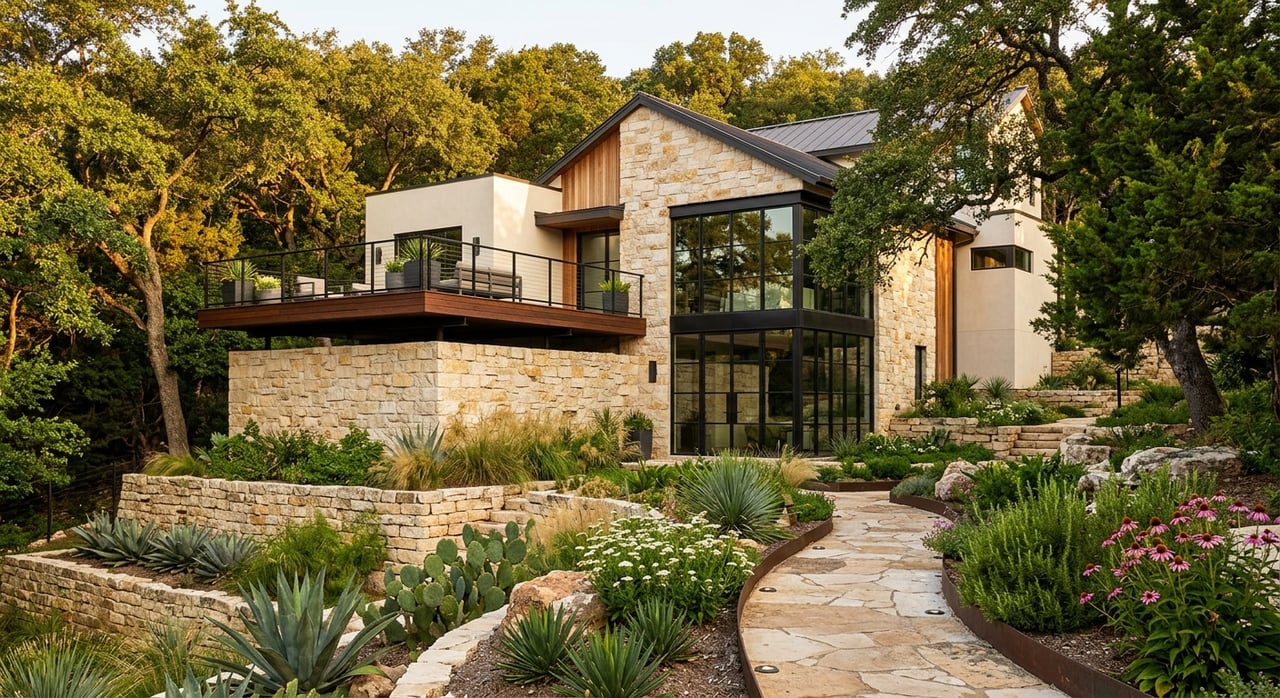
West Lake Hills is more dramatic and more rugged. The city describes it as a scenic, forested community in the foothills, and its planning documents emphasize beautiful views, dense foliage, unspoiled creeks, wildlife, and relatively low population density.
If you picture a home tucked into a wooded hillside with a more secluded setting, West Lake Hills usually fits that vision more closely. The terrain itself plays a bigger role in how homes are sited, accessed, and designed.
Lot Sizes and Privacy
West Lake Hills lots are typically larger
For buyers focused on lot size, West Lake Hills has the edge. The city’s 2023 Firewise assessment says most homes sit on lots ranging from half an acre to more than 5 acres.
That larger-lot pattern supports a more private feel. The city’s master plan also emphasizes dense foliage, low density, and privacy as key parts of its character.
Northwest Hills lots follow older suburban patterns
Northwest Hills generally reflects an older suburban platting pattern. A 1968 subdivision record shows sections with lot dimensions such as 85 by 120 feet and 100 by 120 feet, though individual parcels vary.
That does not mean Northwest Hills lacks privacy. It means privacy often comes from topography, mature trees, setback relationships, and thoughtful remodeling rather than from estate-scale acreage.
Home Styles and Architecture
Northwest Hills has a mixed housing base
Northwest Hills has a broad mix of homes, much of it rooted in the 1960s and 1970s. City housing data points to a typical single-family home size of about 2,575 square feet, and the area includes older ranch homes, remodeled properties, condos and townhomes near Far West Boulevard, and some newer rebuilds designed to capture views.
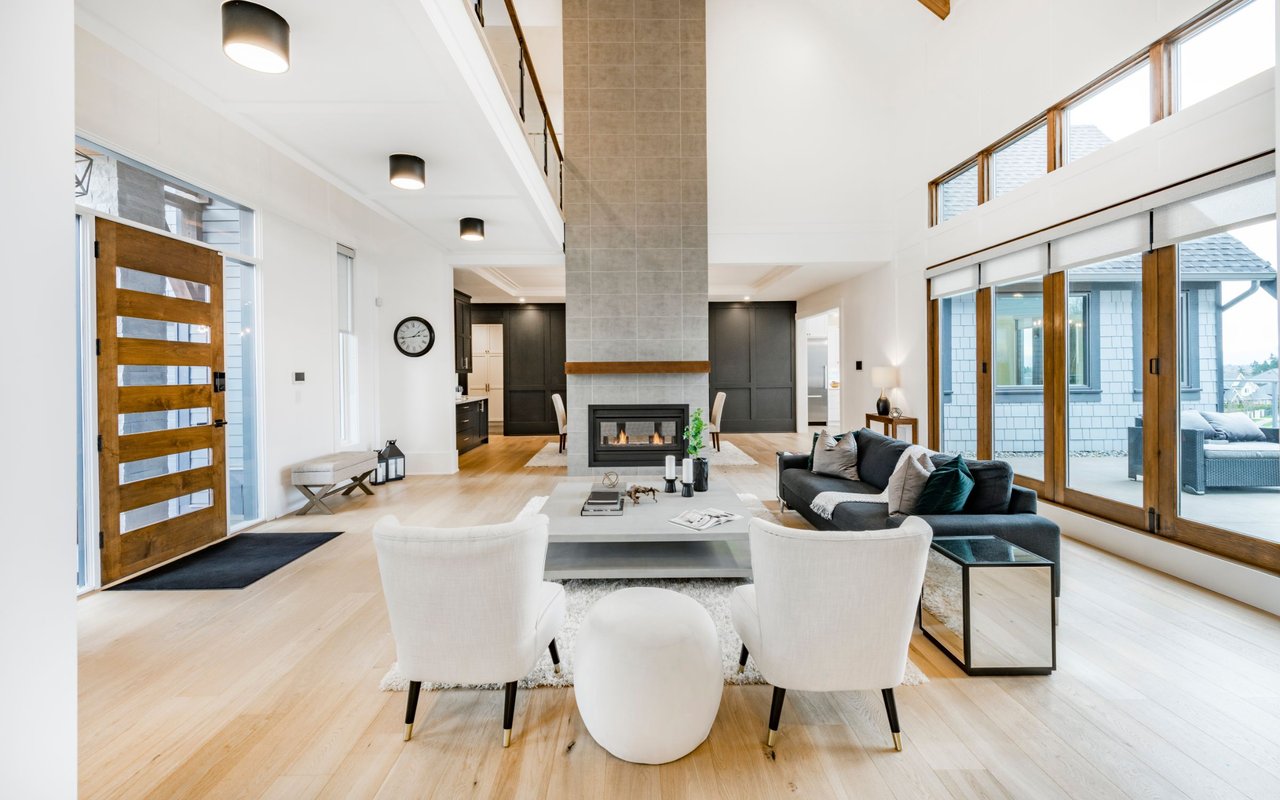
If you are shopping here, one of the first questions to ask is what kind of house you want. Some buyers prefer an original mid-century home with character, while others want a renovated ranch or a more recently rebuilt home with a stronger indoor-outdoor connection.
West Lake Hills leans site-specific
West Lake Hills is less about one dominant style and more about how each home responds to its lot. The housing stock is primarily single-family and ranges from modern architecture to mid-century ranch-style homes.
Because the city places strong emphasis on harmony with the natural setting, tree preservation, and the wooded character of the community, homes here often feel more bespoke. For design-conscious buyers, that can be a major draw.
Commute and Daily Access
Northwest Hills is the easier in-town option
If your priority is easier access to central Austin routes, Northwest Hills typically has the advantage. It has direct access to MoPac and Loop 360, and one neighborhood guide describes downtown Austin as about a 14-minute drive by car, depending on route and traffic.
In practical terms, Northwest Hills is often the simpler choice for buyers who want hillside character without feeling too far removed from the city core. It tends to suit people who want a balance of scenery and convenience.
West Lake Hills can feel more secluded
West Lake Hills is still close to downtown, but access is more route-sensitive. Current city information highlights Loop 360, Bee Cave Road, and the Westlake Drive bridge as key access points.
That more secluded setting is part of the appeal, but it can also shape your daily experience differently. If you value a tucked-away hillside environment, that tradeoff may feel well worth it.
Remodeling, Trees, and Site Rules
Northwest Hills follows Austin rules
In Northwest Hills, property changes are generally shaped by City of Austin requirements. Austin requires permits for removing or impacting regulated trees and for major pruning on residential property.
For buyers considering updates, additions, or a landscape refresh, it is smart to understand those rules early. They can influence both your renovation timeline and what is realistic for the lot.
West Lake Hills is more process-heavy
West Lake Hills deserves extra attention if you are buying with renovation or custom-build plans in mind. The city’s vegetation rules are designed to preserve the wooded character, scenic quality, ecological balance, and overall community environment.
The city also publishes oak wilt pruning limits and has an updated Drainage and Erosion Control Design Manual approved to take effect May 18, 2026. For hillside-home buyers, that means trees, drainage, grading, and site disturbance should be part of your due diligence from the start.
Which Neighborhood Fits Your Goals?
Choosing between Northwest Hills and West Lake Hills often comes down to what you value most in a hilltop property.
Choose Northwest Hills if you want
- A hill-country setting with a more in-town feel
- Easier access to MoPac and Loop 360
- An established neighborhood with many 1960s and 1970s homes
- More variety in housing types and remodeling paths
- A balance of views, mature trees, and daily convenience
Choose West Lake Hills if you want
- Larger lots, often from half an acre to 5+ acres
- A more private, wooded, estate-style setting
- A home shaped closely around topography and natural surroundings
- Stronger emphasis on preservation of trees and landscape character
- A hillside environment that feels more secluded and site-specific
The Real Comparison for Hilltop Buyers
The best way to compare these two areas is not to ask which one is better. It is to ask which one better matches the way you want to live.
Northwest Hills is the established suburban hillside story. It gives you elevation, mature surroundings, and a stronger sense of city access.
West Lake Hills is the more rugged hillside story. It offers larger lots, more privacy, and a setting where the land itself plays a bigger role in design, access, and ownership decisions.
If you are weighing architecture, views, lot quality, or long-term potential for remodeling, having local guidance matters. The right choice is often less about price point alone and more about how the property, site conditions, and city rules align with your goals.
If you are comparing hilltop homes in Northwest Hills and West Lake Hills, Kurb Group can help you evaluate the details that matter most, from lot character and privacy to architecture, access, and long-term fit.
FAQs
What is the main difference between Northwest Hills and West Lake Hills for hilltop homes?
- Northwest Hills offers a more in-town hillside feel within Austin, while West Lake Hills is a separate city known for larger lots, denser foliage, and a more secluded estate-style setting.
Which area has larger lots for hilltop homes, Northwest Hills or West Lake Hills?
- West Lake Hills generally has larger lots. The city’s Firewise assessment says most homes there sit on lots from half an acre to more than 5 acres.
Which area feels more private for buyers choosing between Northwest Hills and West Lake Hills?
- West Lake Hills usually feels more private because its planning documents emphasize low density, dense foliage, and privacy.
Is Northwest Hills or West Lake Hills better for commuting into Austin?
- Northwest Hills is typically easier to frame as the more convenient in-town option because of direct access to MoPac and Loop 360.
Are remodeling rules different in Northwest Hills and West Lake Hills?
- Yes. Northwest Hills follows City of Austin rules, including tree-related permit requirements, while West Lake Hills has its own vegetation, drainage, and development review standards that can make projects more site-sensitive.
What types of homes should you expect in Northwest Hills versus West Lake Hills?
- Northwest Hills has a mixed housing base with many 1960s and 1970s homes, remodeled ranch properties, and some newer rebuilds. West Lake Hills is primarily single-family and tends to feature more site-specific homes ranging from modern designs to mid-century ranch styles.